Healthy Snacks for Tea Time in India: Traditional Choices for Everyday Chai

Tea time has a special place in Indian daily life. It can be the quiet break after a long day at work, a few relaxed minutes between household responsibilities, a conversation with family, or simply a reason to put everything aside and enjoy a warm cup of chai. Naturally, that cup of tea often feels incomplete without something to eat alongside it. While biscuits, fried namkeen, samosas, and other familiar favourites remain popular, many people are now looking for healthy snacks for tea time in India that are enjoyable, convenient, and better suited to regular snacking. The good news is that choosing a more thoughtful tea-time snack does not mean giving up flavour or the traditional experience of Indian chai. Some of the most satisfying options come from simple ingredients and time-tested preparations that have been enjoyed in Indian homes for generations.
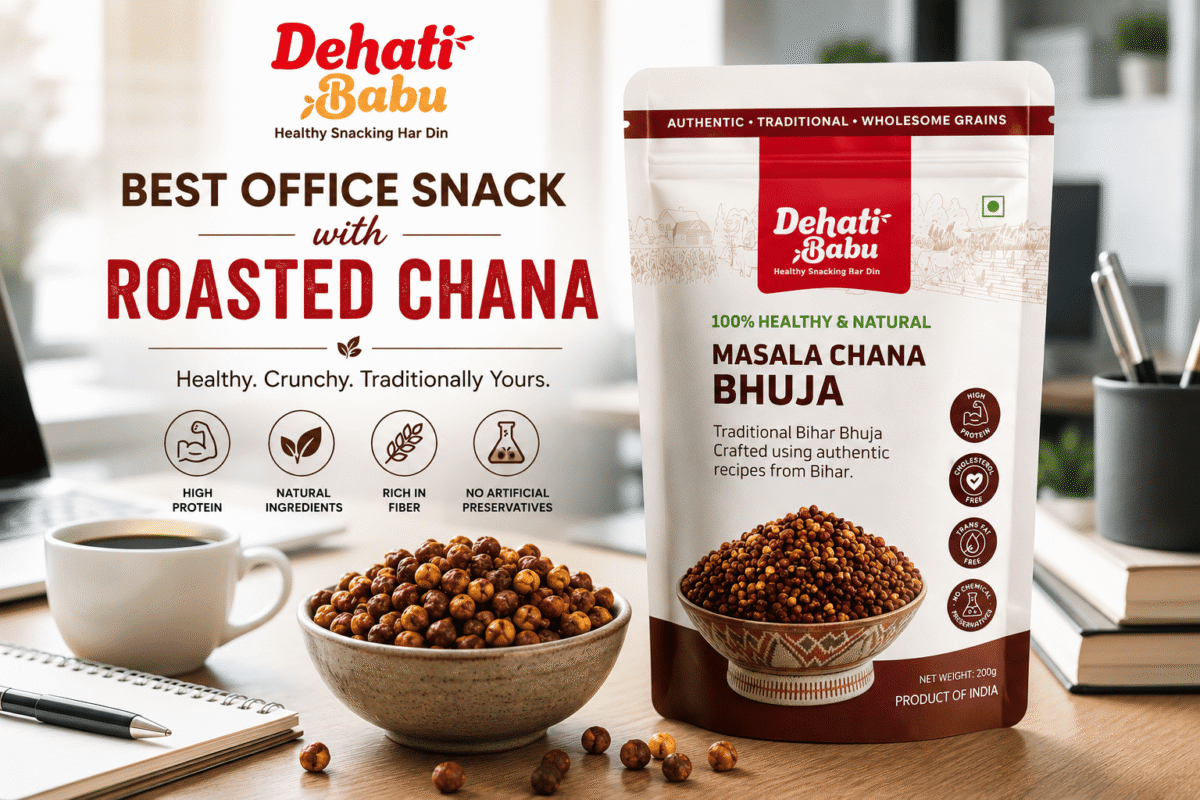
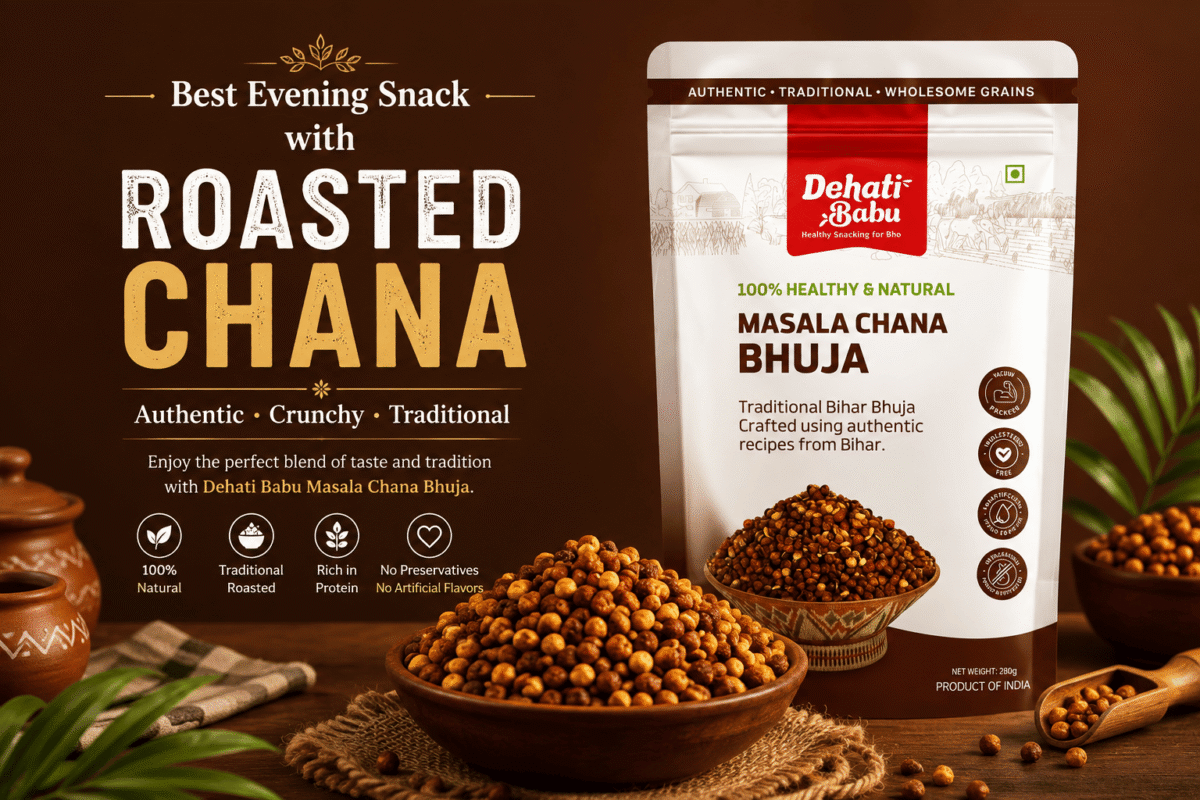
A good tea-time snack should fit naturally into the moment. It should have enough flavour to complement the tea without overpowering it, a texture that makes every bite enjoyable, and enough convenience to serve without creating extra work. This is one reason roasted snacks continue to have such a strong place in Indian food culture. Roasted chana, corn, grains, lentils, peanuts, and traditional mixtures can provide the crunch people naturally look for during a chai break while remaining easy to store and serve. Roasted chana, in particular, has become a dependable choice for people who enjoy simple savoury snacks. It works just as well during an evening cup of tea as it does during an office break or while travelling. If you’re interested in why this traditional option fits so naturally into everyday snacking, our guide to the best evening snack with roasted chana explores its flavour, convenience, and place in modern routines.
What makes Indian tea-time snacking especially interesting is the variety of regional foods that have developed around this everyday ritual. Every part of the country has its own ingredients, flavours, preparation styles, and family favourites, which means there is far more to discover than the usual packaged snacks found on supermarket shelves. Bihar’s traditional roasted-snack culture is a particularly good example. Its famous Bhuja tradition brings together roasted ingredients and familiar desi flavours in combinations that have been enjoyed across generations. Rather than relying on complicated preparation, these snacks draw much of their appeal from the roasting process, the texture of the ingredients, and the distinctive taste that develops when simple foods are prepared with care. This connection between tradition and everyday convenience is one reason regional roasted snacks continue to find a place in modern homes, even as snacking habits continue to change.
For today’s tea drinker, however, choosing the right snack is not simply about whether something is traditional or popular. It is worth looking at the ingredients, preparation, freshness, texture, seasoning, portion, and overall quality before making a regular snack part of your routine. A product may look appealing on the shelf, but the real test comes when you open the packet and experience its aroma, crunch, flavour, and freshness. A well-made roasted snack should feel satisfying without depending entirely on excessive seasoning or novelty flavours. That is particularly important for tea time because it is a recurring daily habit. The snacks that become household favourites are usually not the ones people try once—they are the ones that remain enjoyable after the tenth, twentieth, or fiftieth cup of tea. This is where traditional Indian snacks have a natural advantage: their appeal comes from familiar flavours and dependable preparation rather than constantly changing trends.
Ultimately, finding the best healthy snacks for tea time in India is about creating a balance between enjoyment and everyday practicality. You do not need an elaborate recipe every time the kettle goes on, nor do you have to settle for the same biscuits or fried snacks out of habit. Roasted chana, traditional Bhuja, roasted corn, nuts, and other regional options can bring variety to the chai break while keeping the experience connected to India’s rich snacking culture. The right choice will depend on individual preferences and dietary needs, but the growing interest in traditional roasted foods shows that simple ingredients, authentic flavours, and convenient preparation still have a powerful place in modern Indian homes.
What Makes a Good Tea-Time Snack for Everyday Chai?
Choosing something to enjoy with tea may seem like a small decision, but when chai is part of your daily routine, the snack beside it often becomes a habit as well. A good tea-time snack should therefore offer more than quick convenience. It should complement the flavour of the tea, provide an enjoyable texture, and be easy enough to keep at home without requiring preparation every time the kettle goes on. It should also work across different occasions, whether you’re enjoying a quiet morning cup, taking an afternoon break, or sitting with family in the evening. This is why simple, well-prepared snacks continue to have such a strong place in Indian tea-time culture. They don’t need complicated recipes or elaborate presentation; their appeal comes from familiar flavours, satisfying textures, and the comfort of having something enjoyable alongside a cup of chai.
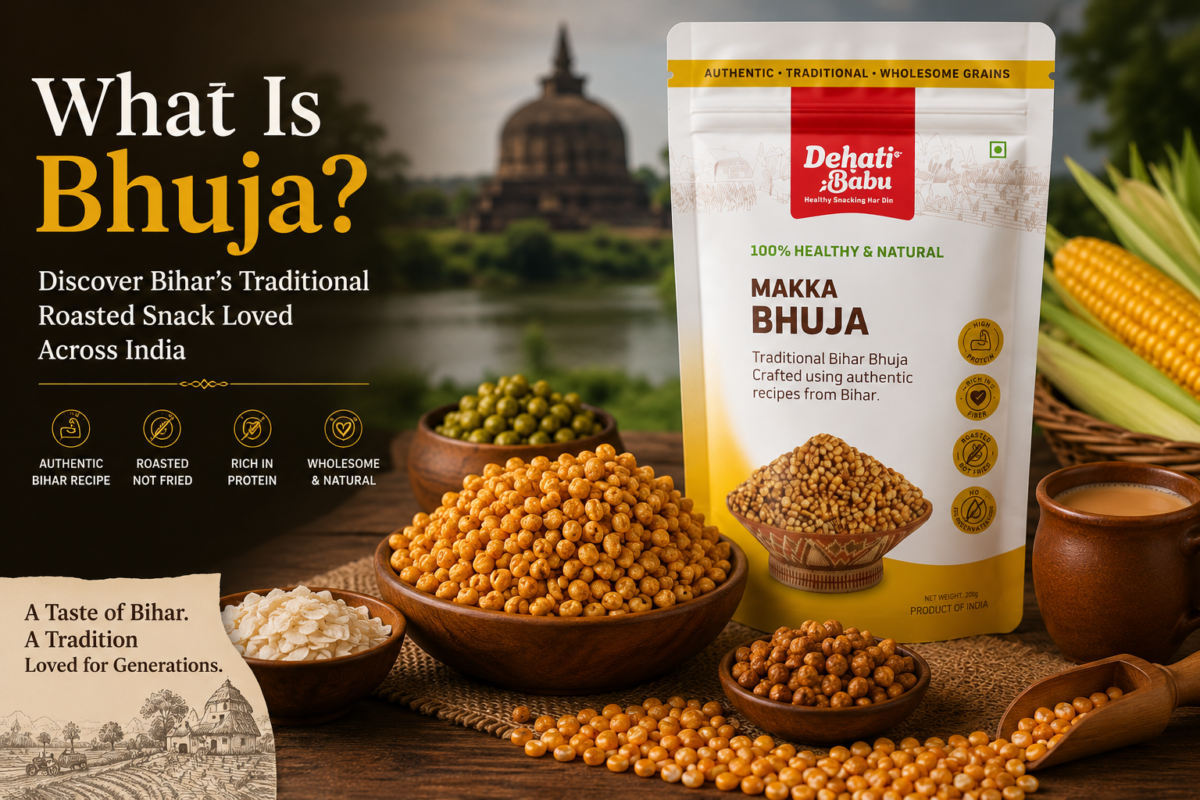
Roasted snacks fit naturally into this routine because they combine everyday convenience with the character of traditional Indian food. A bowl of roasted chana can work equally well with morning tea or an evening cup after work, while roasted corn and traditional mixtures offer different textures for people who enjoy a little more variety. They are also practical when guests arrive unexpectedly because they can be served directly rather than prepared at the last minute. For anyone who enjoys exploring regional flavours, Bihar’s roasted-snack tradition adds another dimension to the tea-time experience. Bhuja, in particular, brings together roasted grains, legumes, corn, and other familiar ingredients in combinations that have been enjoyed across generations. You can learn more about its regional roots and traditional character in our guide to What Is Bhuja, which provides useful background before exploring different varieties.
The best tea-time snack should also be something you can enjoy repeatedly without becoming tired of it. This is where texture, seasoning, freshness, and ingredient quality become important. A snack that is overly salty or heavily seasoned may make a strong first impression but can become less appealing when eaten regularly. By contrast, a well-prepared roasted snack allows the natural character of its ingredients to remain noticeable while adding just enough seasoning to complement the chai. Freshness matters just as much. Roasted foods are valued partly for their crisp texture, so good packaging and proper storage are essential for preserving the experience from the first serving to the last.
There is also a practical difference between choosing a snack simply because it is available and choosing one that genuinely belongs in your regular tea-time routine. The latter needs to fit your lifestyle as well as your taste. It should be convenient enough for busy weekdays, enjoyable enough for relaxed weekends, and versatile enough to serve when family or friends join you. Traditional roasted snacks have an advantage because they can move effortlessly between these situations. A small bowl can accompany a personal chai break, while a larger serving can become part of an evening conversation around the dining table. That combination of flavour, convenience, versatility, and tradition is what makes roasted snacks such a natural starting point when looking for better everyday tea-time options.
Qualities to Look for in a Tea-Time Snack
Choosing healthy snacks for tea time in India is easier when you look beyond the product name and attractive packaging. A snack may look appealing online, but the real experience depends on what happens after the packet is opened. Freshness, texture, seasoning, ingredient quality, and preparation all influence whether something becomes a regular part of your chai routine or ends up forgotten in the pantry. This becomes particularly important when choosing roasted snacks, because their appeal comes largely from the natural flavour and satisfying texture created during preparation. Instead of judging a product by price or promotional offers alone, it is worth considering the details that determine how enjoyable and consistent the snack will actually be.
What to Check Before Choosing a Tea-Time Snack
| Quality | What to Look For | Why It Matters |
|---|---|---|
| Ingredient Quality | Clearly listed, familiar ingredients that suit your preferences | The ingredients form the foundation of the snack’s flavour, texture, and overall eating experience. |
| Roasting & Preparation | Consistent roasting without an overly burnt or stale taste | Proper preparation helps develop the characteristic aroma and crunch expected from a good roasted snack. |
| Balanced Seasoning | Spices that complement rather than overpower the main ingredient | A balanced flavour makes the snack easier to enjoy regularly alongside tea. |
| Freshness | Crisp texture, pleasant aroma, and appropriate packaging | Freshness can make a significant difference to the enjoyment of dry roasted foods. |
| Packaging | Secure, well-sealed packaging with clear product information | Good packaging helps protect the snack during storage and delivery while giving buyers useful information. |
| Convenience | Ready-to-eat format that is easy to store and serve | Tea time is often spontaneous, so a snack that requires little preparation is more practical. |
| Variety | Different ingredients, flavours, or textures to choose from | Having options prevents everyday chai from becoming repetitive and allows different preferences within a household. |
| Brand Reliability | Clear information and consistent product quality | A reliable brand gives buyers greater confidence when a snack becomes part of their regular pantry. |
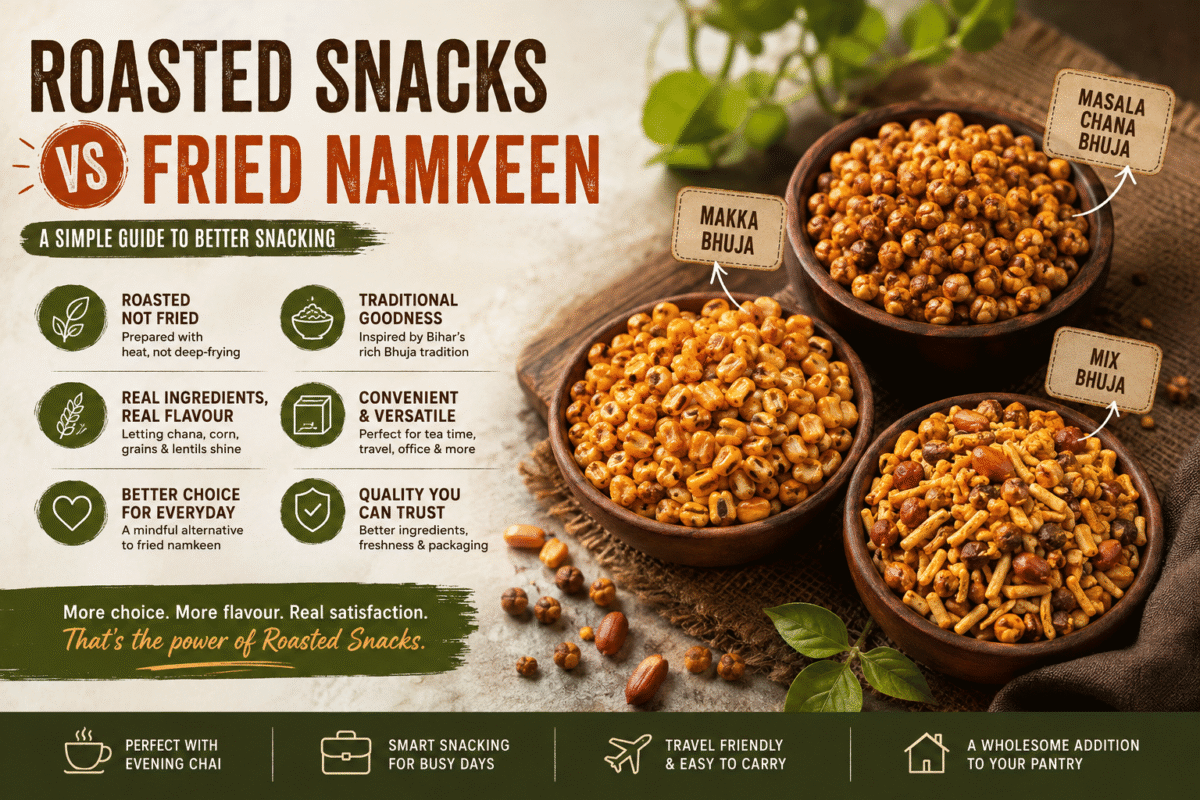
The roasting method deserves particular attention when you’re exploring traditional Indian snacks. Roasting can bring out the natural character of grains, legumes, and corn while creating the crisp texture that makes these foods particularly enjoyable with chai. This is one reason regional roasted snacks have remained relevant despite the enormous variety of modern packaged foods. Bihar’s culinary traditions, for example, have long featured roasted ingredients prepared in distinctive combinations, allowing the ingredients themselves to remain an important part of the flavour rather than relying entirely on heavy seasoning.
Freshness is just as important as preparation. A roasted snack can have excellent ingredients and still disappoint if it has lost its crunch or picked up moisture during storage. When buying online, check the product information, packaging details, ingredients, and storage instructions before placing an order. It is also useful to consider how the snack will fit into your routine. Someone looking for a simple accompaniment to afternoon chai may prefer roasted corn, while another person may want chana or a mixed preparation with several textures. If roasted corn is your preference, you can explore our guide to the best roasted corn snacks in India for a closer look at what distinguishes a quality product.
Finally, variety can make everyday tea time much more enjoyable. Instead of relying on the same biscuits or fried snacks every day, you can rotate between different roasted ingredients according to your mood and the occasion. A simple roasted snack may suit a quiet weekday chai, while a more varied mixture can work well when family or friends gather. This doesn’t mean every snack needs to be marketed as a “healthy” choice; what matters is understanding the ingredients, preparation, portion, and quality and choosing foods that fit your individual needs. When those details come together, a traditional roasted snack can turn an ordinary cup of tea into a genuinely enjoyable daily ritual.
Traditional Indian Snacks That Pair Naturally With Tea
Indian tea time has never been limited to one particular snack. What appears beside a cup of chai often depends on the region, family tradition, season, and occasion. Some households prefer homemade savoury bites, while others keep roasted snacks, namkeen, or simple mixtures ready to serve. This variety is part of what makes Indian tea-time culture so enjoyable. The best snacks are usually easy to share, convenient to keep at home, and flavourful enough to complement a warm cup of tea without turning a short break into a full meal.
Among India’s regional traditions, Bihar’s Bhuja culture offers a particularly interesting approach to tea-time snacking. Roasted ingredients such as chana, corn, grains, lentils, peanuts, and other familiar foods can be combined to create different flavours and textures. The appeal lies in the roasting, the satisfying crunch, and the simple seasoning that allows the ingredients to remain the focus. For people discovering Bihar’s food culture, Bhuja offers more than another packaged snack—it provides a taste of a regional tradition that has remained part of everyday life for generations.
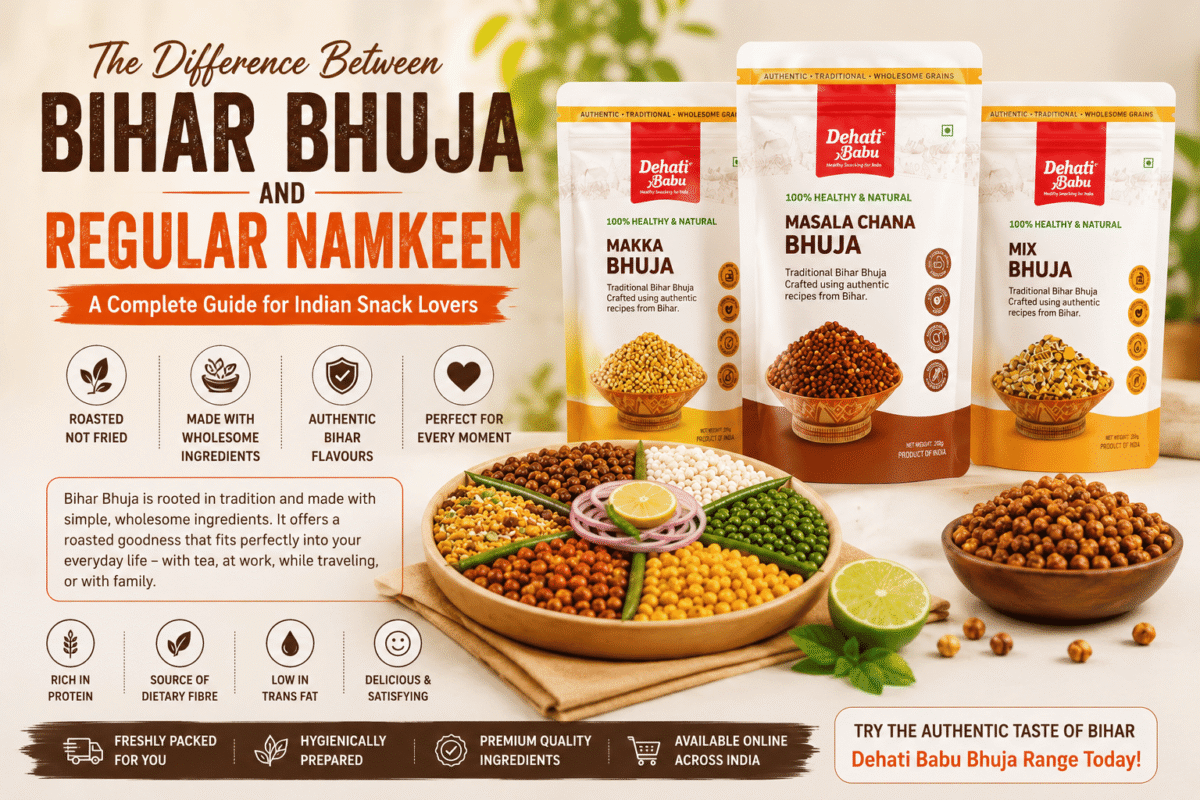
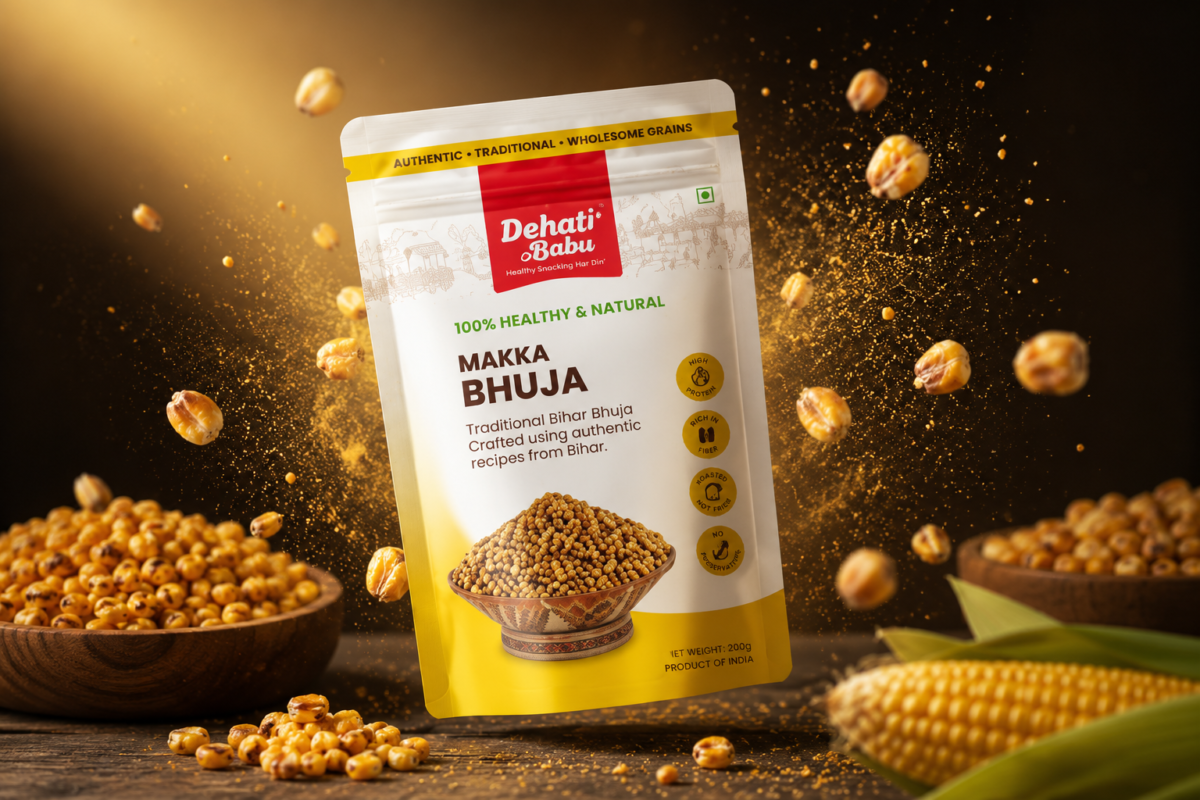
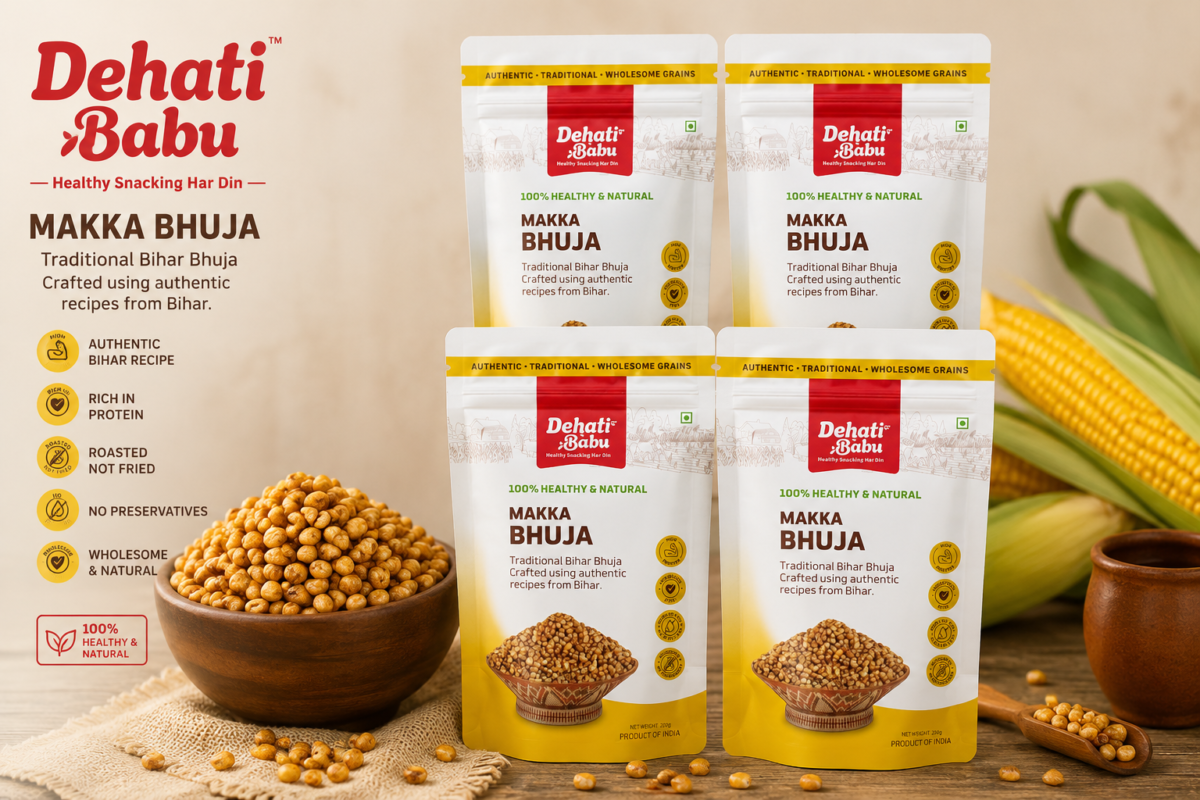
Roasted chana and roasted corn are especially easy to include in a regular chai routine. Chana offers a familiar crunch and works well with different seasoning styles, while Makka Bhuja brings the distinctive texture and flavour of roasted corn. Those who enjoy variety can also choose mixtures that combine ingredients such as chana, corn, chura, peanuts, and green peas, creating something different in almost every handful.
The real advantage of these snacks is their ability to combine tradition with modern convenience. They can be stored easily, served without elaborate preparation, and enjoyed during a quiet cup of tea or shared when family and friends gather. As regional foods become easier to discover online, traditional snacks are also reaching people who may never have encountered them locally. For today’s tea lovers, that creates an opportunity to make the everyday chai break more varied while discovering the flavours and food traditions that make Indian snacking culture so diverse.
Frequently Asked Questions
1. What are the best snacks for tea time in India?
Popular tea-time choices include roasted chana, roasted corn, traditional Bhuja, nuts, seeds, and homemade savoury snacks. The best option depends on your dietary needs, taste preferences, and portion size. For everyday chai, roasted snacks are particularly convenient because they are easy to store, ready to serve, and available in different flavours and textures.
2. Is roasted chana good to eat with tea?
Roasted chana is a convenient tea-time option because its crisp texture and savoury flavour pair naturally with chai. It can be enjoyed on its own or combined with other roasted ingredients when you want more variety. Its ready-to-eat format also makes it practical for afternoon breaks, evening tea, and casual family snacking.
3. Which traditional Bihar snacks are good with tea?
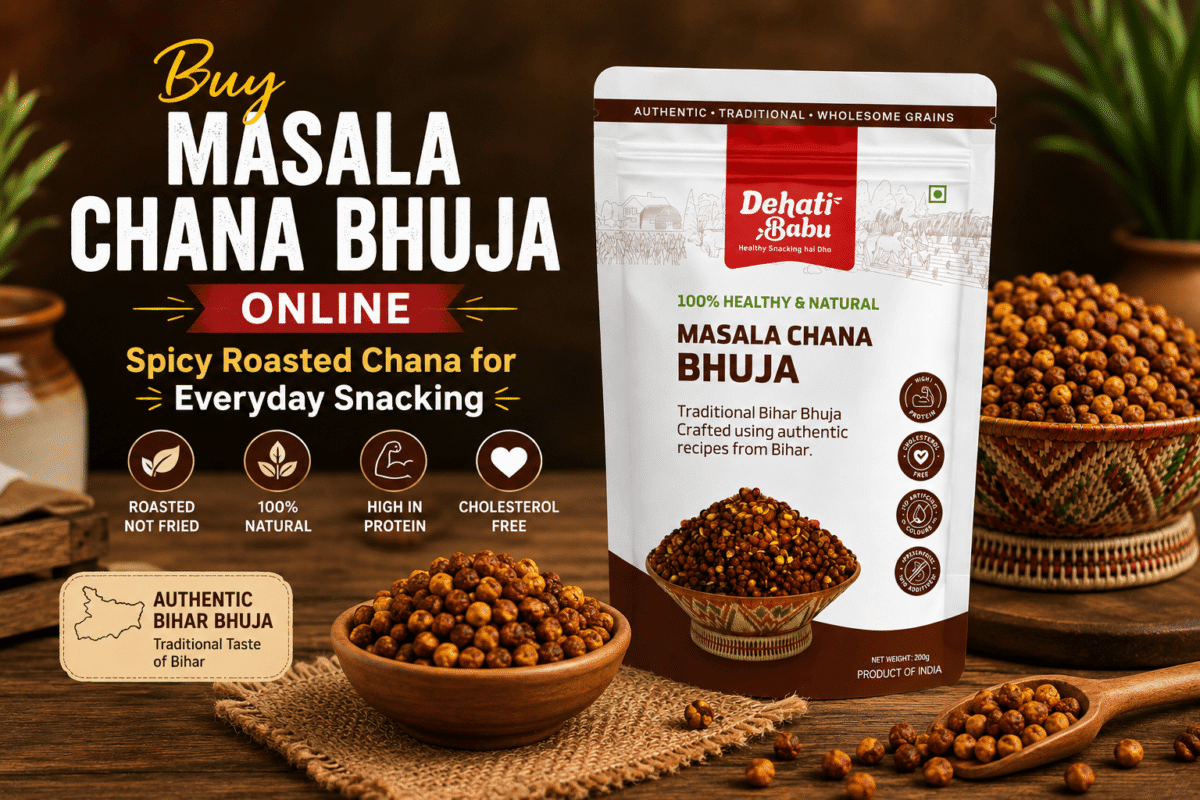
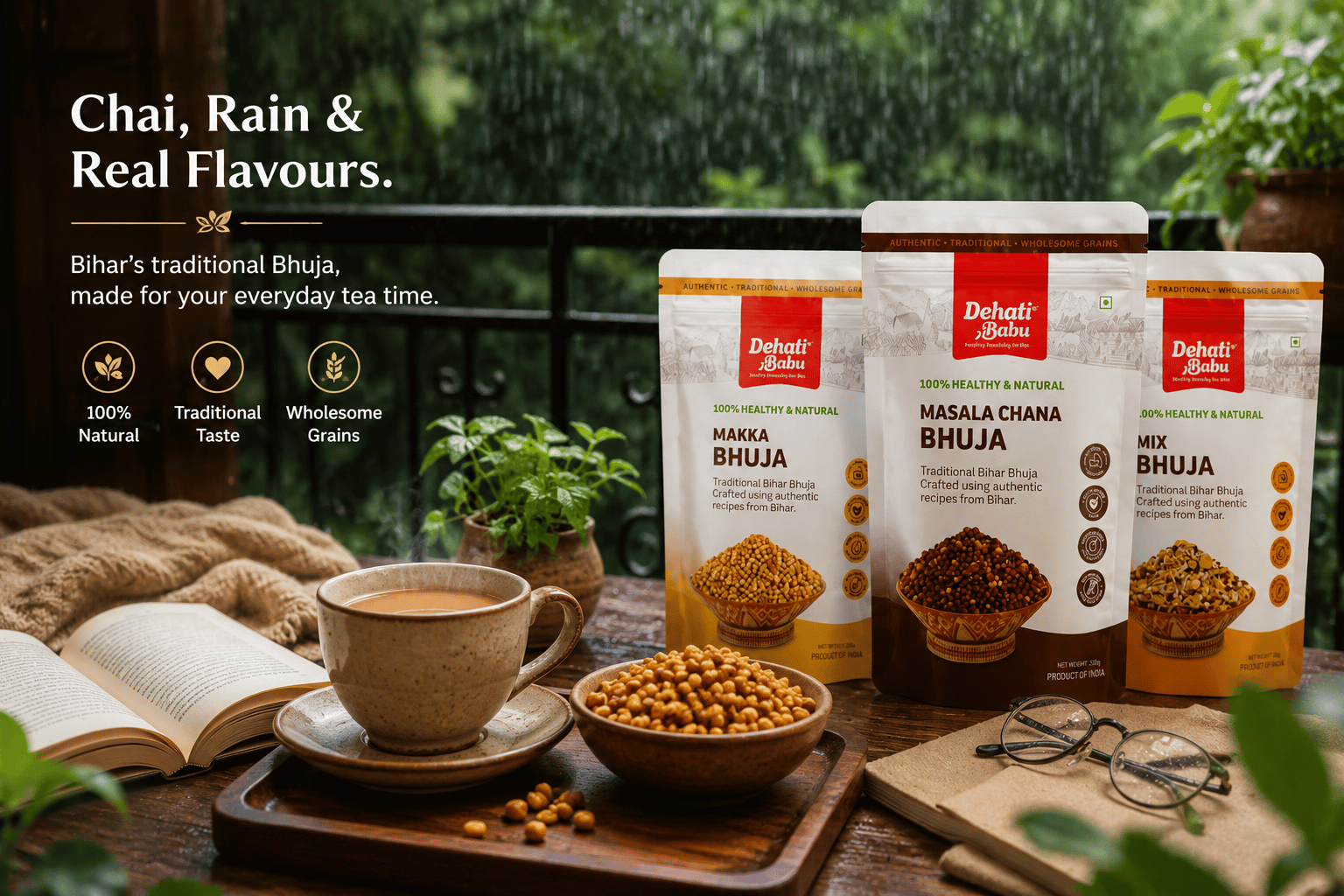
Bihar has a strong tradition of roasted snacks known as Bhuja. Popular varieties include Masala Chana Bhuja, Makka Bhuja, and Mix Bhuja, each offering a different combination of flavour and texture. These snacks can be served alongside tea as a simple way to experience Bihar’s regional food culture.
4. What should I look for when choosing a tea-time snack?
Consider the ingredients, preparation method, freshness, seasoning, texture, packaging, and product information before buying. If you’re choosing a traditional snack online, check whether the brand clearly explains its ingredients and preparation and provides reliable product information. Price can help with comparison, but it should not be the only consideration.
5. Are roasted snacks suitable for everyday tea time?
Roasted snacks can be convenient for regular tea time because many varieties are ready to eat, easy to store, and simple to serve. However, whether a particular snack is suitable for frequent consumption depends on its ingredients, preparation, portion size, and individual dietary requirements. Checking the product’s nutrition and ingredient information can help you make an informed choice.
6. What is the difference between roasted chana and Bhuja?
Roasted chana generally refers to roasted chickpeas, while Bhuja is a broader traditional snacking style strongly associated with Bihar. Bhuja can include combinations of roasted chana, corn, grains, lentils, peanuts, chura, and other ingredients. Roasted chana can therefore be one component of a Bhuja preparation rather than the two terms being interchangeable.
7. Is Makka Bhuja a good tea-time snack?
Makka Bhuja is a traditional roasted corn snack that can work well alongside tea, particularly for people who enjoy a crisp texture and the distinctive flavour of roasted corn. Its ready-to-eat format also makes it convenient for afternoon chai, evening tea, travel, or casual snacking at home.
8. How should roasted snacks be stored after opening?
Keep the packet tightly sealed after opening or transfer the remaining snack to a clean, airtight container. Store it in a cool, dry place away from moisture, heat, and direct sunlight. Always follow the storage instructions provided on the product packaging, as recommendations can vary between products.
Final Thoughts
Tea time in India is built around simple pleasures—a warm cup of chai, a few quiet minutes, and something enjoyable to eat alongside it. Finding the best healthy snacks for tea time in India does not mean changing that familiar ritual; it means choosing snacks that bring together flavour, convenience, and quality. Roasted chana, Makka Bhuja, traditional Bhuja mixtures, and other regional snacks can add variety to the daily chai break while keeping it connected to the flavours and food traditions people have enjoyed for generations.
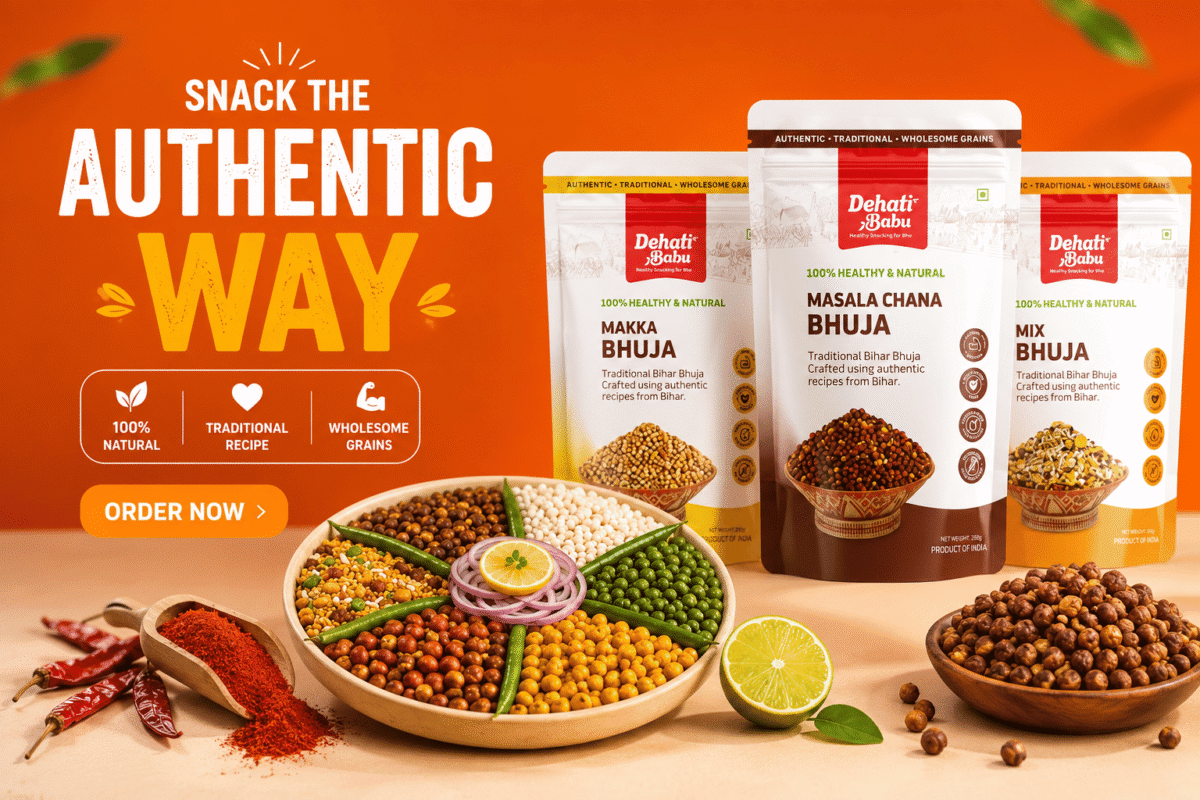
When choosing a regular tea-time snack, freshness, ingredients, preparation, texture, and consistency matter just as much as appearance or price. This is particularly true for roasted snacks, where the quality of the roasting and packaging can make a noticeable difference to the final crunch and flavour. For people who enjoy Bihar’s traditional snack culture, Dehati Babu offers a focused collection of Masala Chana Bhuja, Makka Bhuja, and Mix Bhuja, bringing regional flavours into a convenient format for modern homes and everyday routines. For a closer look at what distinguishes the brand and its approach to Bihar’s Bhuja tradition, Dehati Babu’s Bihar Bhuja story provides useful context.
Ultimately, the best tea-time snack is the one that complements your chai, fits naturally into your routine, and gives you something to look forward to when the kettle is on. Traditional roasted snacks continue to prove that simple ingredients and familiar preparation can remain relevant even as eating habits change. As more people rediscover Bihar’s Bhuja and other regional favourites, the everyday tea break becomes another opportunity to enjoy India’s diverse food culture in a simple, satisfying way.