Why Roasted Snacks Are Better Than Fried Namkeen

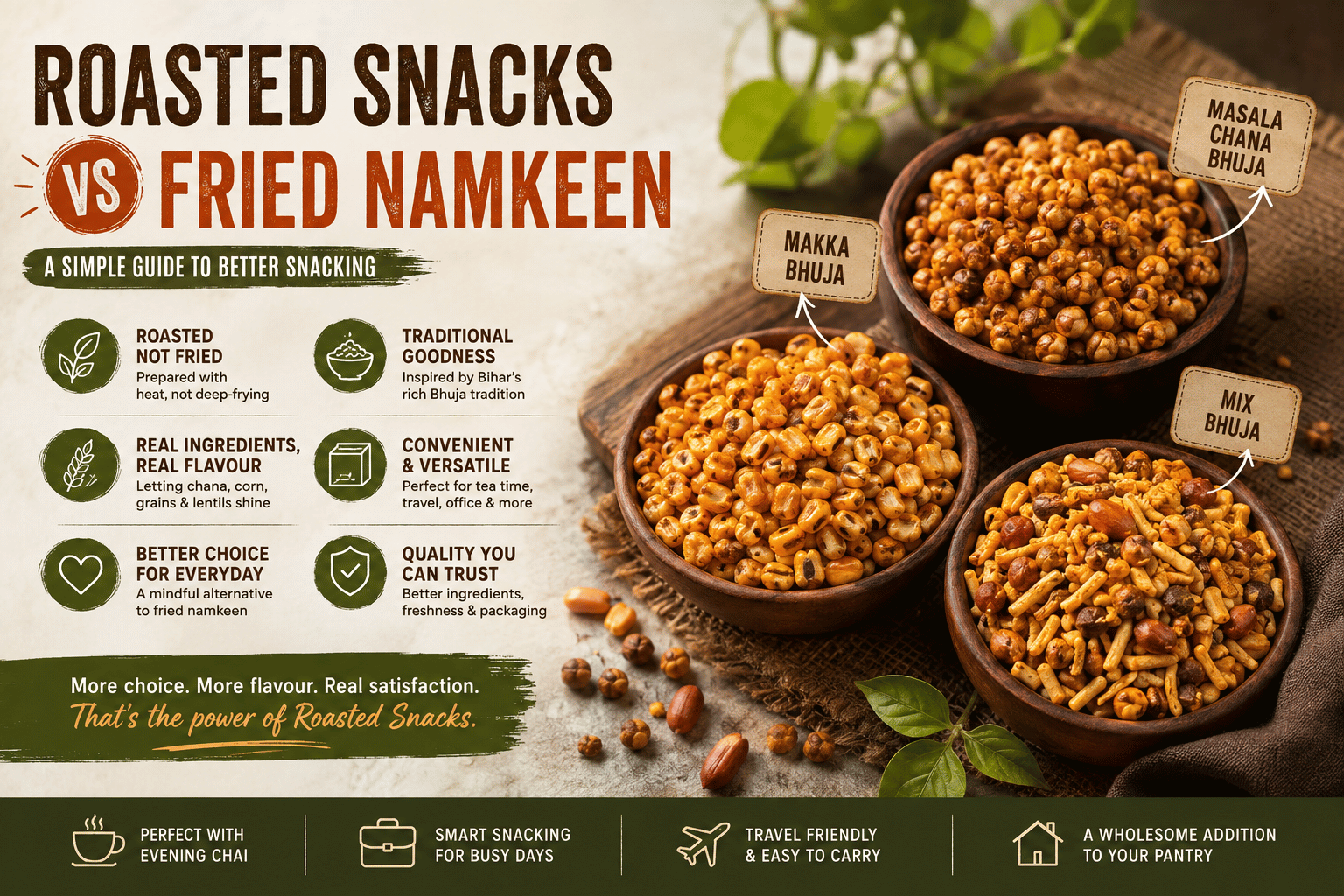
Indian snacking has always been closely connected with everyday life, from a bowl of namkeen with evening chai to snacks shared during family conversations, travel, celebrations, and quick breaks at work. Fried namkeen remains popular because of its bold seasoning and instantly satisfying crunch, but today’s consumers are becoming more interested in how their snacks are prepared and what makes one option more suitable for regular snacking than another. This has brought greater attention to roasted snacks, which offer a different approach to achieving flavour and crunch without relying on deep-frying.
The biggest difference between roasted snacks and fried namkeen is the preparation method. Roasting allows ingredients such as chana, corn, grains, lentils, and peanuts to develop their natural aroma and crisp texture, while fried namkeen gets much of its characteristic richness and crunch from cooking in oil. The actual nutritional profile varies from product to product, so it is important to check ingredients and nutrition information rather than assuming every roasted snack is automatically healthier. Still, for people looking to reduce their reliance on fried snacks, traditionally roasted options can be an appealing everyday alternative.
This difference also connects modern snacking with India’s regional food traditions. Bihar’s Bhuja culture, for example, has long celebrated roasted grains and legumes prepared with familiar ingredients and balanced flavours. These traditional preparations show that satisfying snacks do not need to depend entirely on deep-frying or excessive seasoning. When good ingredients, careful roasting, appropriate seasoning, and proper packaging come together, a simple roasted snack can offer the crunch, flavour, and convenience people look for while giving them another choice beyond conventional fried namkeen.
Roasted Snacks vs Fried Namkeen: How the Preparation Changes the Experience
The difference between roasted snacks and fried namkeen is easiest to understand when you look at what happens to the ingredients during preparation. Roasting allows foods such as chana, corn, grains, lentils, and peanuts to develop their own aroma, colour, and crisp texture through controlled heat. Fried namkeen takes a different route, using oil to create the rich, crunchy character that has made it a familiar Indian snack for generations. The result is not simply two different textures; the preparation method influences how the ingredients taste, how strongly the seasoning comes through, and how the snack feels when you eat it.
A good roasted snack has a certain simplicity to it. You notice the roasted character of the chana, the natural sweetness of corn, or the nutty flavour of grains and legumes before the seasoning takes over. That is part of the appeal of traditional roasted foods: the ingredient itself still has a voice. Bihar’s long-standing Bhuja tradition is a good example of how everyday ingredients can be turned into satisfying snacks through roasting, careful mixing, and balanced seasoning. For readers interested in the background of this regional food, our article on Bihar’s traditional Bhuja explains how this distinctive roasted-snack culture developed and why it remains so closely associated with everyday eating in the region.
Fried namkeen offers a different kind of experience, and that difference is worth appreciating rather than treating the two categories as simply “good” and “bad.” The richness of oil, combined with spices and a crisp fried texture, gives namkeen its characteristic appeal. That is precisely why it remains a favourite for chai, gatherings, festivals, and casual snacking. Roasted snacks, meanwhile, can feel cleaner and more ingredient-focused because roasting is central to their preparation. Which one you prefer may depend on the occasion, but if you are looking for an alternative to regularly reaching for fried namkeen, roasted varieties give you another way to enjoy the crunch and savoury flavour you want.
The more useful question, therefore, is not whether every roasted snack is automatically better than every fried snack. It is what kind of preparation, flavour, and everyday eating experience you prefer. Recipes differ, seasoning levels differ, and some roasted products may still contain added oil or salt. Looking at the actual ingredients and nutrition information gives you a much clearer picture than relying on the words “roasted” or “fried” alone.
Roasted Snacks vs Fried Namkeen: A Practical Comparison
| Factor | Roasted Snacks | Fried Namkeen |
|---|---|---|
| Preparation | Primarily prepared through roasting | Generally prepared by frying in oil |
| Texture | Crisp, dry, and ingredient-dependent | Often richer and more intensely crisp |
| Flavour | Natural roasted flavours can remain prominent | Oil, spices, and seasoning can contribute strongly |
| Ingredient Character | The main ingredient often remains noticeable | Frying can create a more pronounced overall flavour |
| Seasoning | Can be lightly seasoned or masala-based | Often available in bold and heavily seasoned varieties |
| Everyday Use | Convenient for tea, work, travel, and home snacking | Commonly enjoyed as a savoury treat and tea-time snack |
| What to Compare | Ingredients, preparation, freshness, seasoning, nutrition | Ingredients, oil, seasoning, freshness, nutrition |
This comparison also highlights an important point for anyone trying to make a more informed snack choice: “roasted” is a preparation method, not a guarantee of nutritional quality. A roasted product can contain added oil, salt, or other ingredients, just as fried namkeen can vary considerably from one recipe to another. If you’re buying snacks regularly, check the ingredient list, nutrition information, serving size, and product details before deciding what suits your routine.
What makes roasted snacks particularly interesting is that they offer a way to keep the satisfying crunch of Indian snacking while exploring a different preparation style. Whether it is roasted chana, Makka Bhuja, or a traditional roasted mixture, the experience can be simple, familiar, and full of regional character. That combination is what makes roasted snacks a compelling alternative when you want something beyond the usual fried namkeen without giving up the pleasure of a crunchy savoury snack.
Why Roasted Snacks Are Becoming a Popular Alternative
The growing interest in roasted snacks is not simply about replacing one packet of namkeen with another. It reflects a broader change in how people think about everyday snacking. Many consumers still want the familiar crunch and savoury flavour of Indian snacks, but they are also paying more attention to preparation, ingredients, freshness, and how easily a product fits into their routine. Roasted chana, corn, grains, lentils, and traditional mixtures naturally suit this shift because they can deliver a crisp, satisfying experience without making deep-frying the defining part of the preparation. They are also remarkably versatile: the same snack can sit beside a cup of chai in the evening, remain handy during an office break, travel easily in a bag, or be served when family members want something simple to share. That combination of familiarity and practicality helps explain why roasted snacks continue to find a place in modern Indian households.
There is also a cultural side to their growing appeal. Regional Indian snacks are no longer limited to the markets and communities where they originated. Online shopping and specialised food brands have made it easier for people in different parts of the country to discover traditional preparations that may not have been available locally. Bihar’s Bhuja tradition is a strong example of this transition, with roasted ingredients such as chana, corn, grains, and other familiar foods forming the foundation of distinctive regional combinations. What makes these snacks interesting is not novelty for its own sake, but the way traditional preparation can remain relevant in a modern setting. A product can carry the flavour and character of a regional food tradition while still being packaged conveniently for today’s homes, workplaces, travel routines, and tea-time habits.
When deciding whether a roasted snack deserves a regular place in your pantry, a few practical details are worth considering:
- Ingredient transparency: Choose products with clear ingredient information rather than relying only on front-of-pack claims.
- Preparation: Check how the snack is made and whether roasting is genuinely central to the product.
- Freshness: Look for packaging designed to protect the crisp texture and flavour.
- Seasoning: Balanced spices can enhance the main ingredient without overwhelming it.
- Convenience: Consider whether the snack works for the occasions when you actually need it—tea time, office breaks, travel, or family snacking.
- Nutrition information: Compare the actual nutritional details instead of assuming that every roasted product has the same profile.
- Storage: Follow the manufacturer’s storage guidance after opening to help maintain quality.
Ultimately, the appeal of roasted snacks comes from the balance they offer between traditional flavour and everyday practicality. They give people another choice when they want something crunchy and savoury without automatically reaching for fried namkeen, while also opening the door to regional foods that have been part of India’s culinary heritage for generations. The strongest products in this category are not simply trying to follow a passing trend; they focus on good ingredients, dependable preparation, freshness, and flavours that people genuinely enjoy returning to. That is what allows a traditional roasted snack to move naturally from an occasional discovery to a familiar part of everyday snacking.
Why Quality Matters When Choosing Roasted Snacks
Choosing a roasted snack should begin with what is inside the packet, not how attractive the packaging looks or how large the discount appears. When a snack becomes part of your regular routine, the small details become much easier to notice: the quality of the main ingredient, the way it has been roasted, the balance of seasoning, the freshness when the packet is opened, and whether the texture remains enjoyable from beginning to end. A good roasted snack should let the main ingredient retain its character while providing the crispness and flavour people expect. This matters even more when you’re considering roasted snacks as an alternative to fried namkeen, because the appeal should come from the quality and preparation of the ingredients rather than simply from a different label on the packet.
Before buying a roasted snack, these are the details worth checking:
- Ingredients: Look for clear, specific ingredient information.
- Preparation: Check how the product is roasted or prepared rather than relying only on the product name.
- Seasoning: Look for a flavour profile that complements the main ingredient.
- Freshness: Crispness and a clean roasted aroma can strongly influence the eating experience.
- Packaging: Secure packaging is important for protecting dry roasted foods from moisture.
- Nutrition: Compare the actual nutritional information instead of relying on broad health claims.
- Storage: Follow the recommended storage method to help preserve the product after opening.
These checks are particularly useful when purchasing online. A photograph may show the packet, but it cannot tell you whether the product has the texture, flavour, or ingredient profile you are looking for. Reading the product description carefully gives you a much better basis for comparison and helps you choose according to your own preferences rather than simply selecting whichever product appears cheapest or most attractive.
Why Freshness Matters as Much as the Ingredients
Freshness is one of the qualities that can immediately change the experience of a roasted snack. The crisp texture people expect from roasted chana, corn, grains, and other ingredients depends heavily on keeping moisture away from the product. Even carefully selected ingredients can become less enjoyable if the snack loses its crunch during transportation or storage. This is why packaging should be viewed as part of product quality rather than simply as a way of presenting the brand.
| What Matters | Why It Matters |
|---|---|
| Freshness | Helps maintain the crisp texture and roasted character |
| Ingredient quality | Influences the flavour, aroma, and overall experience |
| Roasting consistency | Helps create a more dependable texture from packet to packet |
| Balanced seasoning | Allows the main ingredient to remain noticeable |
| Secure packaging | Helps protect the snack from moisture during delivery and storage |
| Clear product information | Makes it easier for buyers to understand and compare products |
Freshness also connects directly with consistency, which is one of the strongest reasons people return to a particular snack brand. A product may make an excellent first impression, but long-term trust develops when the next packet delivers the same familiar flavour and satisfying crunch. That reliability matters especially for traditional snacks, because people often buy them expecting a particular regional character rather than a completely different experience every time.
For this reason, quality should be viewed as the complete journey of the snack—from ingredient selection and preparation to packaging, delivery, storage, and finally the moment the packet is opened. When each stage is handled carefully, the result is more than simply a crunchy product; it is a dependable snack that can naturally earn a place in everyday routines.
Finding a Roasted Snack That Fits Your Everyday Routine
The right roasted snack is ultimately the one that fits naturally into the way you already eat. If you enjoy a simple, familiar crunch, roasted chana can be an easy choice; if roasted corn is more your style, Makka Bhuja brings a different texture and flavour. A mixed preparation works well when you want several ingredients in the same handful. This variety matters because everyday snacking should not feel repetitive. Having different roasted options available makes it easier to choose something according to the occasion—whether you’re sitting down with chai, taking a break at work, travelling, or sharing a bowl with family.
Convenience is another reason roasted snacks continue to work so well in modern routines. They can generally be kept ready in the pantry, carried without much fuss, and served without the preparation required for freshly cooked snacks. At the same time, traditional varieties bring something beyond convenience: a connection to regional food culture. Bihar’s roasted-snack tradition demonstrates how familiar ingredients such as chana, corn, grains, and other roasted foods can be combined with regional flavours to create snacks that remain relevant even as eating habits change.
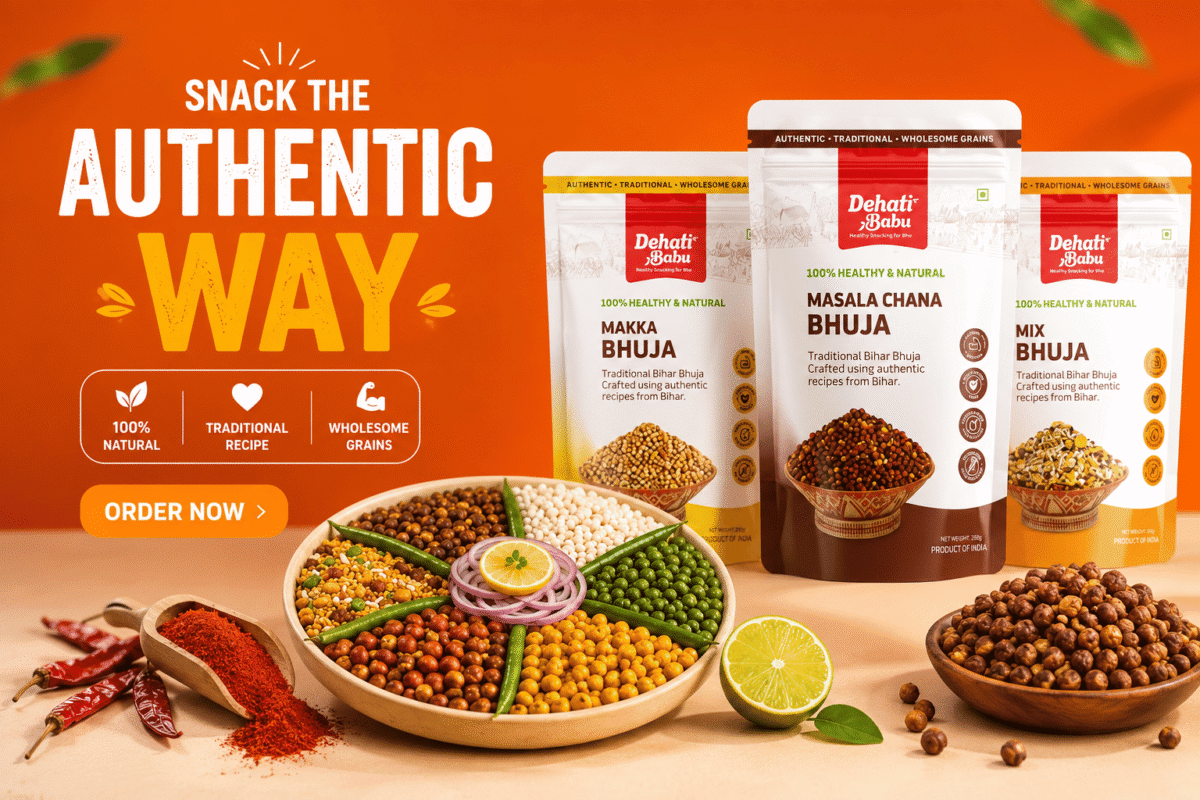
For people exploring this category, Dehati Babu offers Masala Chana Bhuja, Makka Bhuja, and Mix Bhuja, giving different preferences a choice within its Bihar-inspired collection. The appeal is not simply having another packaged snack available; it is being able to enjoy traditional roasted flavours in a format suited to contemporary routines. Whether you prefer the deeper crunch of chana, the distinctive character of roasted corn, or the variety of a mixed preparation, the important factors remain the same: good flavour, freshness, dependable texture, and a product you genuinely enjoy reaching for.
Ultimately, choosing roasted snacks over fried namkeen does not need to be presented as an all-or-nothing decision. It can simply mean giving yourself another option when you want something crisp and savoury. Once you understand the ingredients, preparation, freshness, and quality behind the product, you can choose more confidently and find roasted snacks that fit naturally into your everyday routine rather than buying something purely on impulse.
Frequently Asked Questions
1. Are roasted snacks healthier than fried namkeen?
Roasted snacks can be a useful alternative to fried namkeen, particularly for people who want to reduce their intake of deep-fried foods. However, “roasted” does not automatically mean healthier. Ingredients, added oil, salt, seasoning, portion size, and the overall nutritional profile can vary between products, so checking the product information is important.
2. What is the main difference between roasted snacks and fried namkeen?
The main difference is the preparation method. Roasted snacks are primarily prepared through roasting, while fried namkeen is generally cooked in oil. This affects their texture, flavour, and overall eating experience. Roasted snacks often allow the natural character of ingredients such as chana, corn, and grains to remain more noticeable.
3. Can roasted snacks be eaten every day?
Roasted snacks can fit into an everyday snacking routine, but the suitability of any particular product depends on its ingredients, nutrition, portion size, and individual dietary needs. Choosing products with clear ingredient and nutrition information makes it easier to decide how they fit into your overall diet.
4. Why do roasted snacks have a different crunch from fried namkeen?
Roasting and frying create crispness in different ways. Roasted ingredients develop their texture through exposure to heat, while frying involves cooking in oil. The final crunch also depends on the ingredient, preparation process, moisture level, and packaging, which is why two snacks can have noticeably different textures even when both are described as crispy.
5. What are some popular roasted snacks in India?
Popular roasted options include roasted chana, roasted corn, peanuts, grains, lentils, and regional roasted mixtures. Bihar’s Bhuja tradition also includes several combinations of roasted ingredients, offering different flavours and textures for everyday snacking.
6. What should I check before buying roasted snacks online?
Check the ingredient list, preparation details, nutrition information, freshness, packaging, storage instructions, and product description. Customer reviews can provide additional context, but they are best considered alongside the information supplied by the brand.
7. Can roasted snacks replace fried namkeen?
Roasted snacks can certainly provide an alternative when you want a crunchy savoury snack without choosing a fried product. Whether they completely replace fried namkeen is a matter of personal taste and eating habits. Many people may simply enjoy having both options and choosing according to the occasion.
8. Why are traditional roasted snacks becoming popular again?
Traditional roasted snacks combine familiar ingredients and regional food traditions with the convenience expected from modern packaged foods. As consumers become more interested in regional Indian cuisine and different preparation methods, snacks such as roasted chana, Makka Bhuja, and traditional mixtures are gaining attention beyond their original regions.
Final Thoughts
Roasted snacks have earned their place in Indian snacking because they offer something wonderfully simple: familiar ingredients, satisfying crunch, and flavours that do not need to rely entirely on deep-frying. For people who regularly enjoy fried namkeen but want to introduce more variety into their routine, roasted chana, roasted corn, and traditional mixtures provide an easy alternative for tea time, office breaks, travel, and everyday snacking.
The better choice, however, should never be based on the word “roasted” alone. Ingredients, preparation, seasoning, freshness, packaging, nutrition information, and portion size all deserve attention. Bihar’s Bhuja tradition shows how much character can come from carefully roasted ingredients and balanced regional flavours. That combination of traditional food culture and modern convenience is one reason roasted snacks continue to remain relevant for today’s consumers.
For those who enjoy Bihar-inspired flavours, Dehati Babu brings together Masala Chana Bhuja, Makka Bhuja, and Mix Bhuja in a focused collection of traditional roasted snacks. Ultimately, choosing roasted snacks over fried namkeen is not about following a temporary trend or completely giving up foods you enjoy. It is about having more choice, understanding what you are buying, and finding snacks that deliver the flavour, freshness, and texture you genuinely want to return to.